
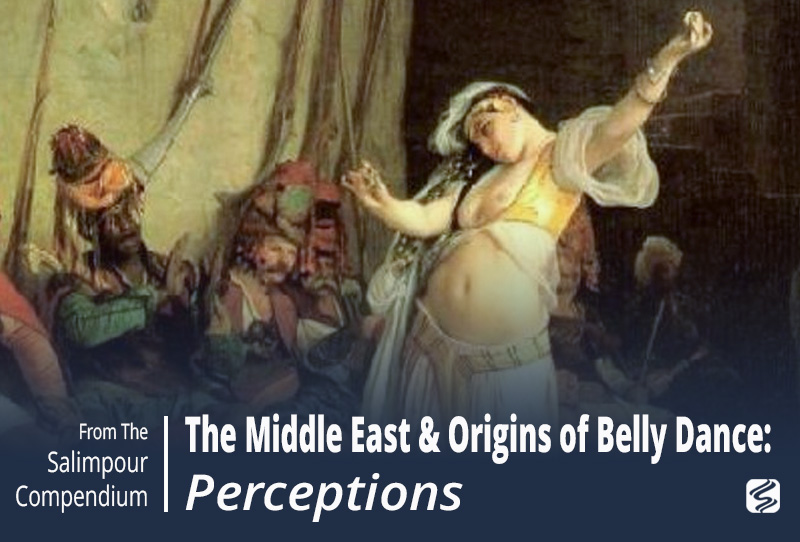
Perception of Dancers in the Middle East
In general, female entertainers, specifically dancers, in the Middle East are perceived there as immoral, fallen, and without honor. Modern […]

In general, female entertainers, specifically dancers, in the Middle East are perceived there as immoral, fallen, and without honor. Modern […]
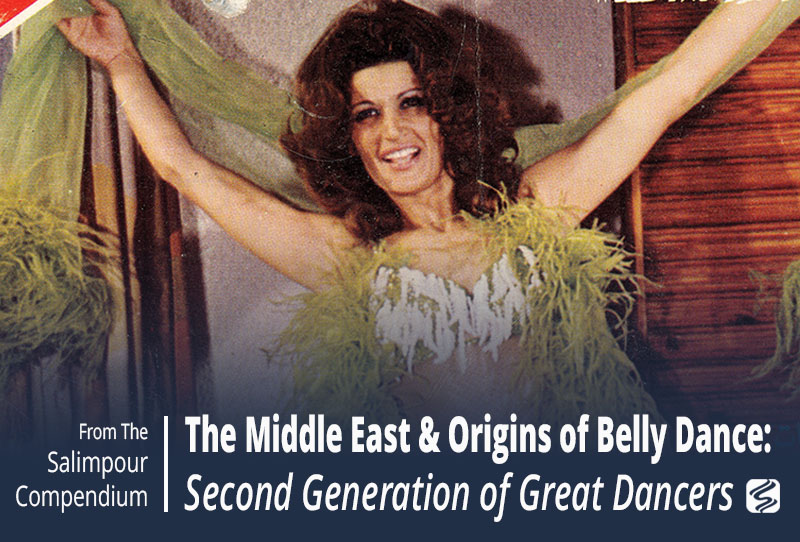
Sohair Zaki (1944 – ) Sohair Zaki was born in Mansoura, Egypt, in 1944 into a conservative family. Like many […]
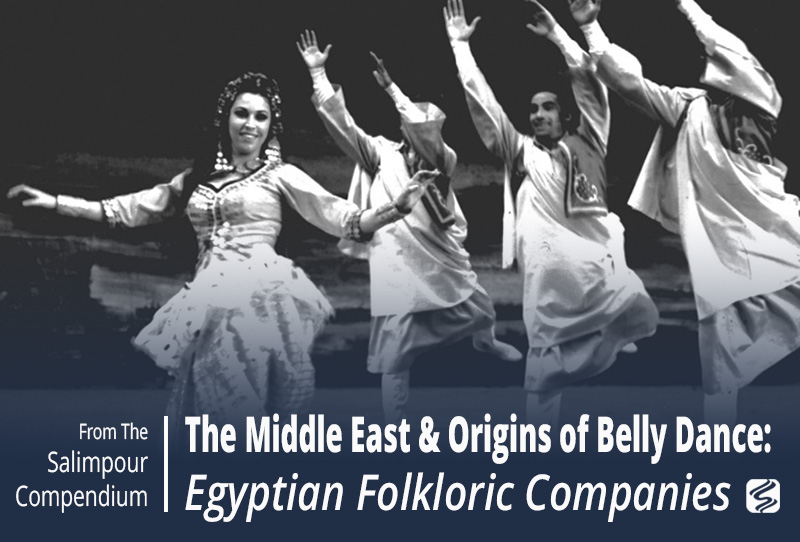
The establishment of national folkloric¹ dance companies in Egypt marks a significant moment in the evolution, perception, and practice of Oriental […]
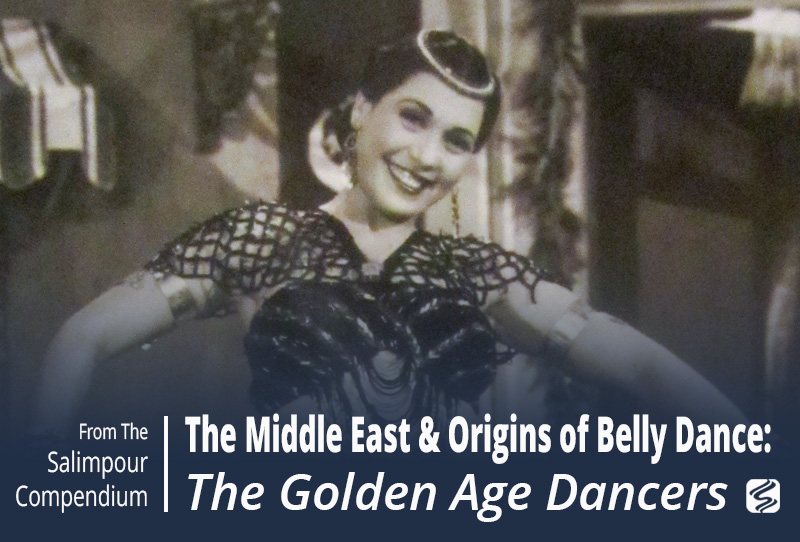
Oriental dance as we know it today was shaped by the dancers that appeared at Badia Masabni’s Casino Opera cabaret […]
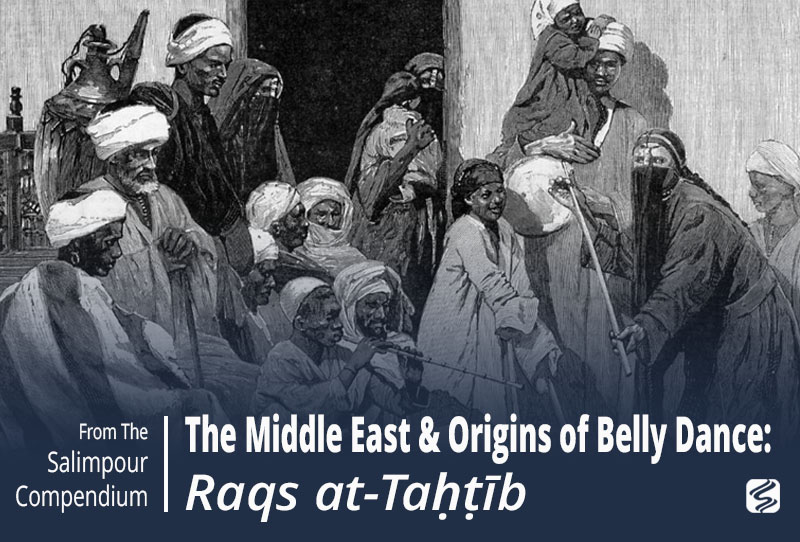
Raqs at-taḥṭīb, which literally in Arabic means “fighting dance,” is performed by male dancers of the Sa’id (a region in […]
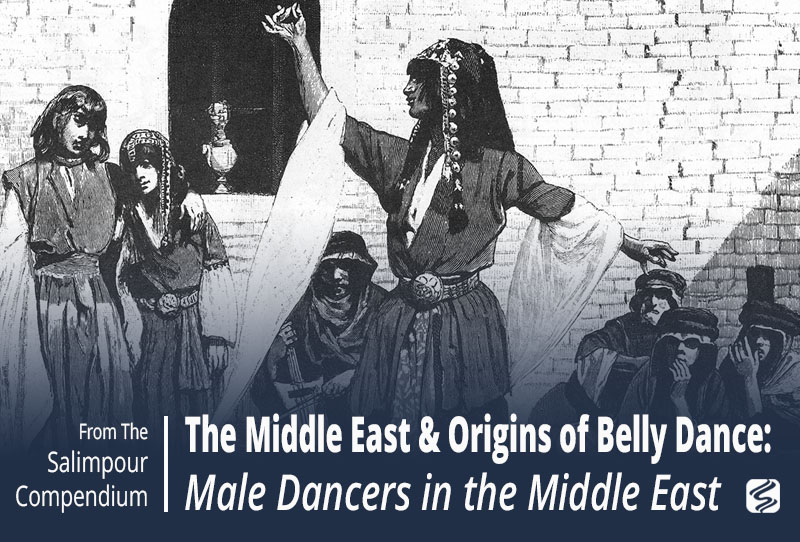
In general, Middle Eastern men pride themselves on their masculinity and strength.¹ Islamic and Christian edicts are interpreted to condemn homosexuality, […]
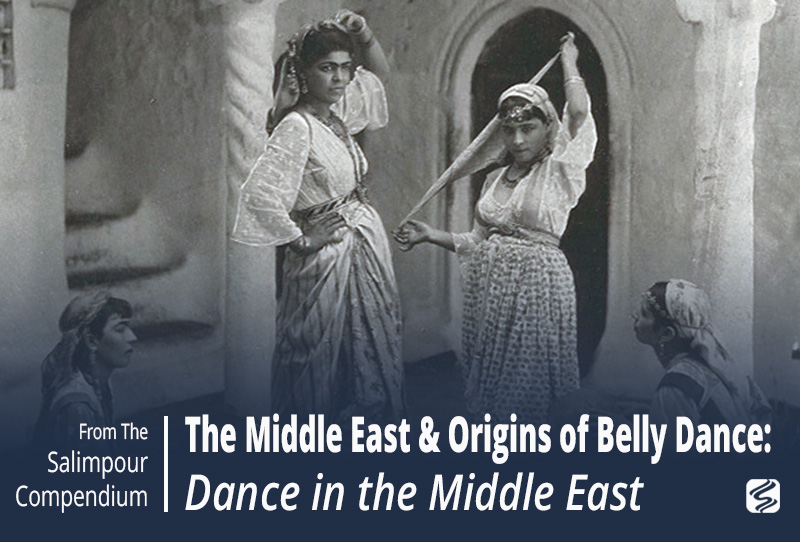
Although Jamila herself often used the terms ‘alma/‘awalim, ghawazi, and Ouled Nail interchangibly to mean a woman who dances, these terms actually […]
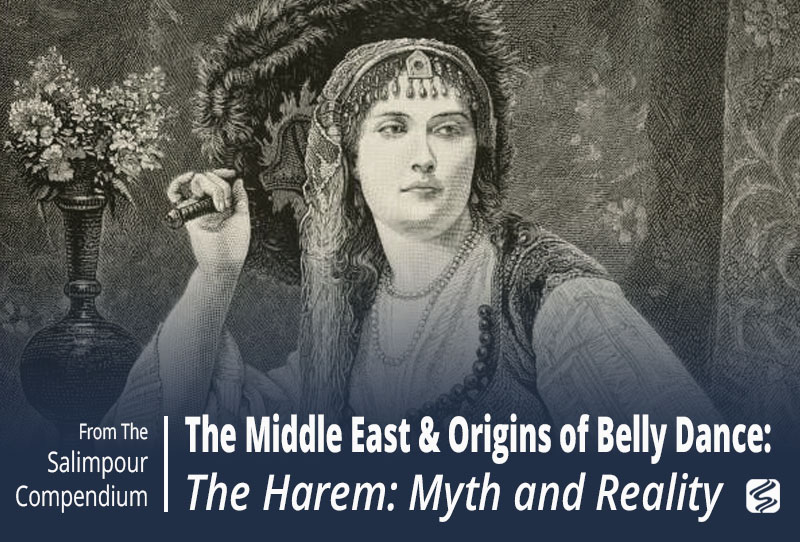
The harem has been a source of fascination and fantasy in the United States and Western Europe, as seen in […]
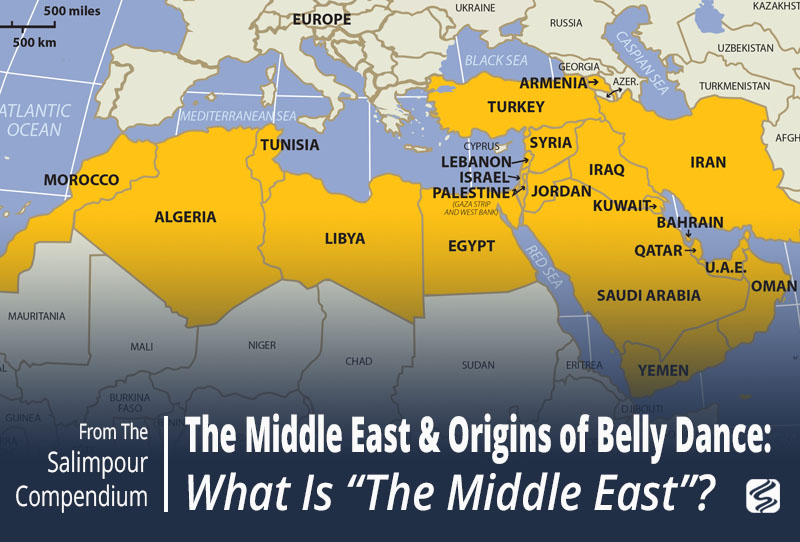
Before we can examine the subjects and histories that Jamila explored and introduced in her articles, we must introduce and […]
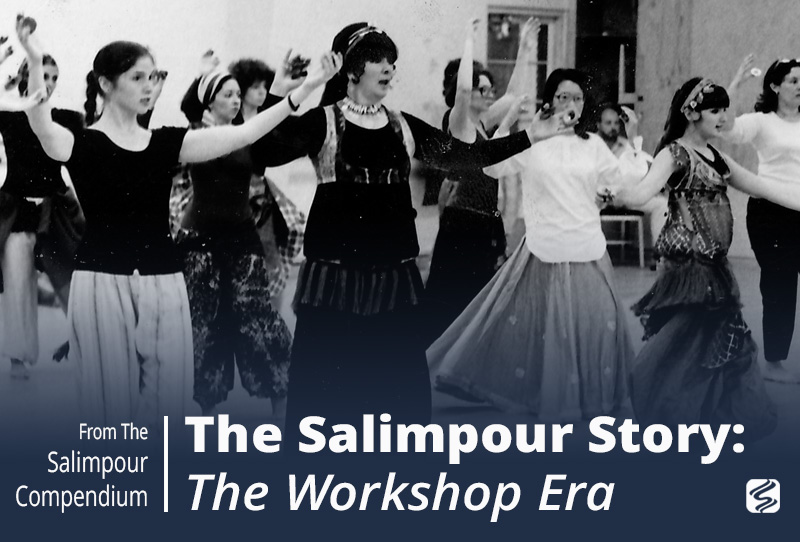
Somewhere between 1973 and 1975, I began producing two-day workshops in which I presented other teachers to my students and […]